A considered approach
to your ceiling.
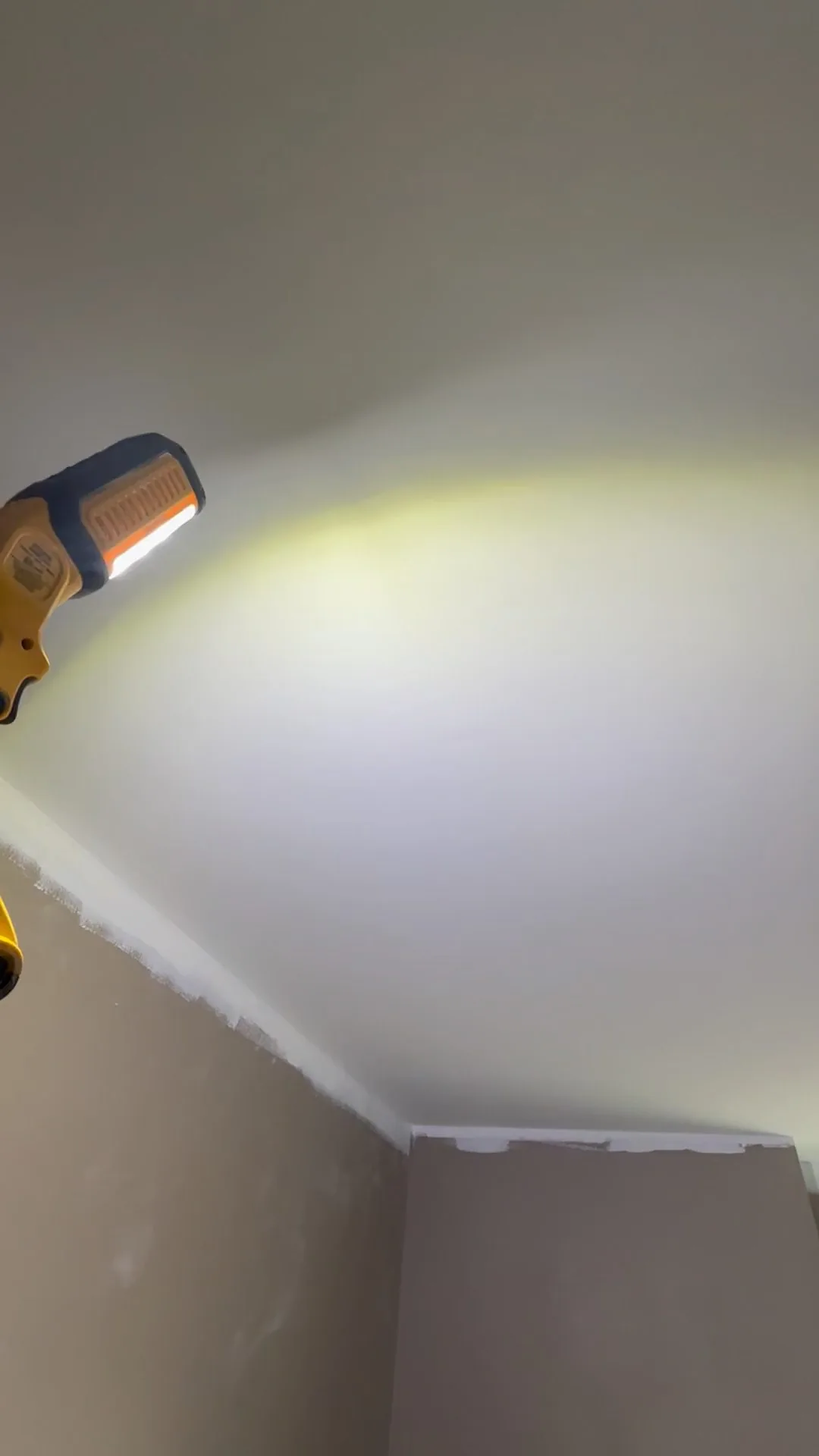
A smooth ceiling brings the focus back to your space. Surface preparation matters most where daylight or ceiling fixtures cast light across the finish.
- Review of existing texture, seams, and surface condition
- A defined scope for skim coating and surface correction
- Sanding and inspection before the final coating
- Coordination of priming and painting for the finished ceiling
Before your estimate
Let Ronald know about planned lighting changes. Downlights and large windows can affect how much surface preparation is appropriate.
Smooth finishing is assessed on site. The preparation needed depends on the surface and lighting; a Level 5 specification should be clearly included in the written scope when required.
Questions about smooth ceilings
What is involved in creating a smooth ceiling?
The ceiling is assessed, prepared, and corrected before final sanding, priming, and painting as agreed in the scope. Existing seams, old texture, and repaired areas determine how much smoothing is needed.
Is every smooth ceiling a Level 5 finish?
Ask what finish specification is included. A smooth appearance by itself does not describe every preparation stage. If you want a Level 5 specification, have it identified in the written estimate along with the coating work.
Why do lighting and windows matter?
Light travelling across the surface can reveal seams and small irregularities. Share planned fixtures and lighting changes before the estimate so the preparation can be discussed in the context of the finished room.
Plan the next step
Compare ceiling finishes, use the estimate checklist, or see real Chamos project photos.